A concentrate is the resin of the cannabis plant pulled away from the plant itself: the sticky, THC-rich part without the leaf and stem around it. Menus sell it under a pile of names — live resin, rosin, badder, sugar, diamonds — and those names answer two different questions that are easy to mix up.
The short answer. Live resin is a concentrate made from plants that were frozen right after harvest instead of being dried and cured first. "Live" tells you about the starting material; "resin" usually means it was extracted with a solvent. It says nothing about texture: live resin can be sold as badder, sugar or diamonds. Concentrates are among the strongest products on a legal menu, and they're made for people who already know how cannabis affects them, not for a first try.
What a concentrate is
The potent part of a cannabis flower is its trichomes, the tiny resin glands that give good bud its frosty look. They carry most of the THC and most of the aroma. Flower is mostly plant material with trichomes on it. A concentrate keeps the trichomes, or what's inside them, and leaves the plant behind.
That's why the numbers jump. Our flower listings mostly show THC in the 20s and low 30s. The concentrates on our menu in October 2026 list from 52% to 86%. In plain arithmetic, a gram of 80% concentrate holds about 800 mg of THC, and a gram of 25% flower about 250 mg. A gram is also far more than anyone uses at once: concentrates are taken in very small amounts.
California law treats concentrate separately from flower. An adult 21 or older may have up to 8 grams of concentrated cannabis, and a retailer can't sell one adult-use customer more than 8 grams of concentrate a day, "including cannabis concentrate contained in cannabis products." The oil in a vape cartridge counts toward that 8 grams.
Two kinds of names: how it was made, and what it looks like
Most concentrate names are one of two kinds. The first says how the resin was separated from the plant. The second describes the texture it ended up with. A full product name often carries one of each, and reading them apart is most of what it takes to understand a listing.
How it was made
With a solvent. The plant is washed with a liquid that dissolves the resin, and the solvent is then removed. California licenses this by the kind of solvent. Volatile solvents — "chemicals that produce a flammable gas or vapor," such as butane, propane, heptane and hexane — need a Type 7 manufacturing license. Non-volatile ones, like ethanol and carbon dioxide, fall under Type 6 (4 CCR § 17006). That's also why this isn't a home project: the state's consumer guidance says that if you turn your own cannabis into a product, "you cannot use volatile solvents like butane or propane."
Without a solvent. Mechanical extraction, in the state's words, "uses pressure, heat or cold to extract cannabinoids instead of using chemicals" — rosin presses and dry ice are its examples. Products made this way are usually sold as solventless:
- Hash: trichomes knocked or washed off the plant and collected. Ice water hash is made by agitating the plant in ice water so the brittle trichomes break off and can be sieved out.
- Rosin: flower or hash pressed between heated plates until the resin squeezes out.
- Kief: the dry, loose trichome powder that sifts off buds. It's the simplest concentrate there is, and it often ends up dusted on pre-rolls.
Live, or cured. This part of the name is about the plant going in, not the method. Most concentrate starts from dried, cured flower. Live means the plants were frozen fresh at harvest, which producers do to keep more of the aroma. So live resin is solvent-extracted from fresh-frozen plants, and live rosin is pressed from ice water hash made from fresh-frozen plants.
Distillate is the one you'll mostly meet inside vape cartridges: an extract refined until little besides the cannabinoids is left, which removes most of the plant's own aroma. Flavor in a distillate cart usually comes from terpenes added back afterward.
What it looks like
These are texture names. They describe how the finished concentrate was worked, and any of them can be made from either live or cured material.
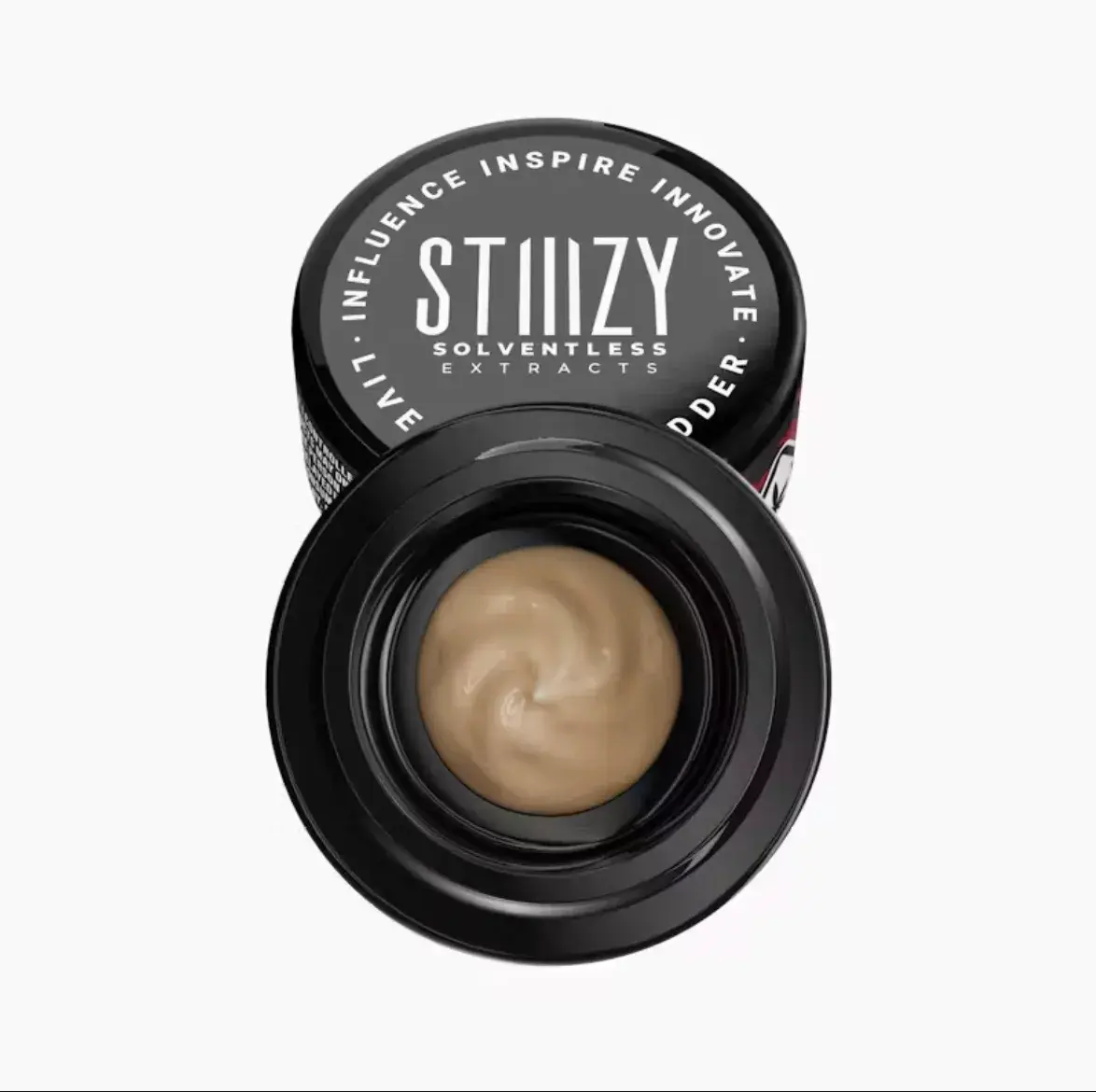
- Badder (also budder): whipped until it's soft and opaque, like cake batter.
- Sugar: grainy and a little wet, like damp sugar.
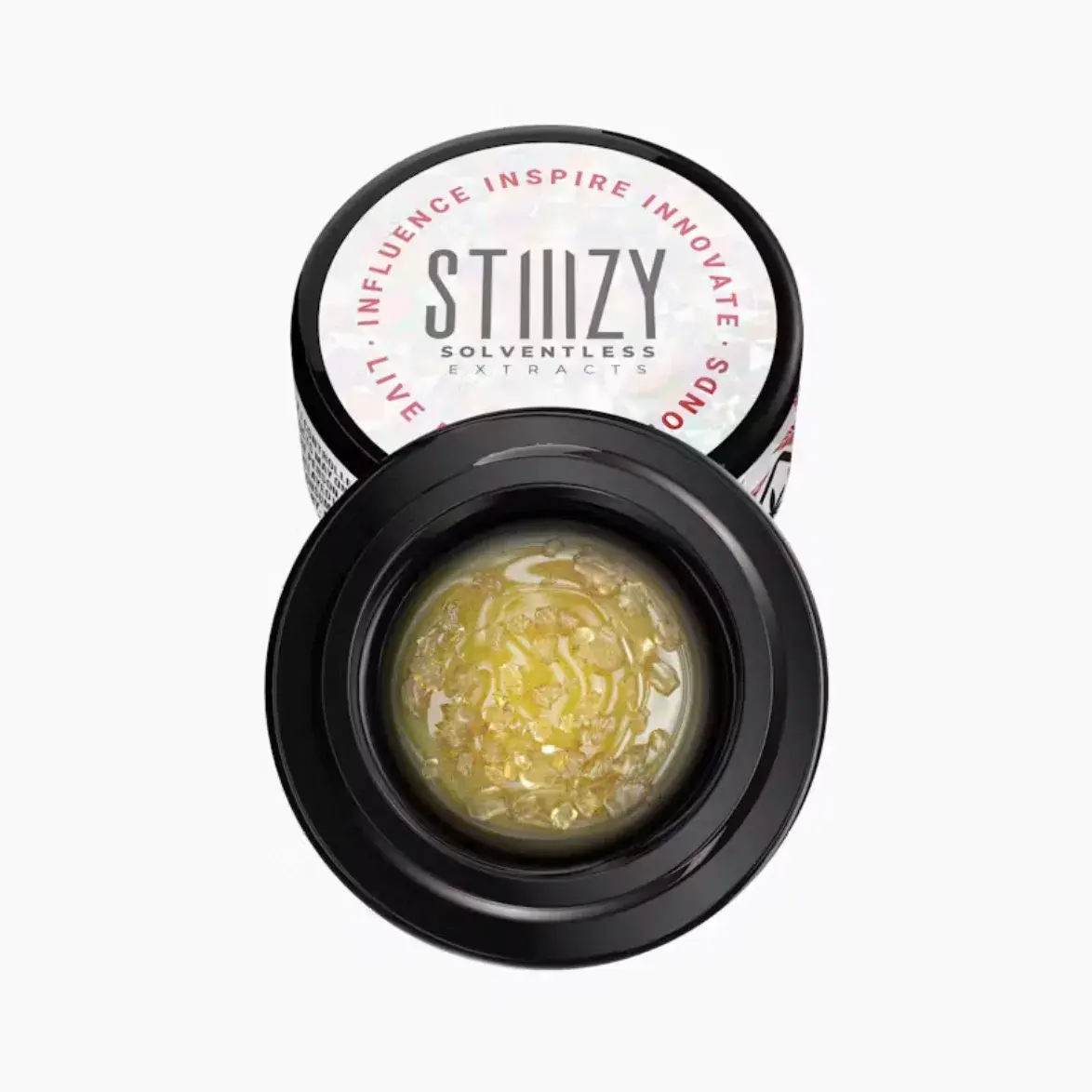
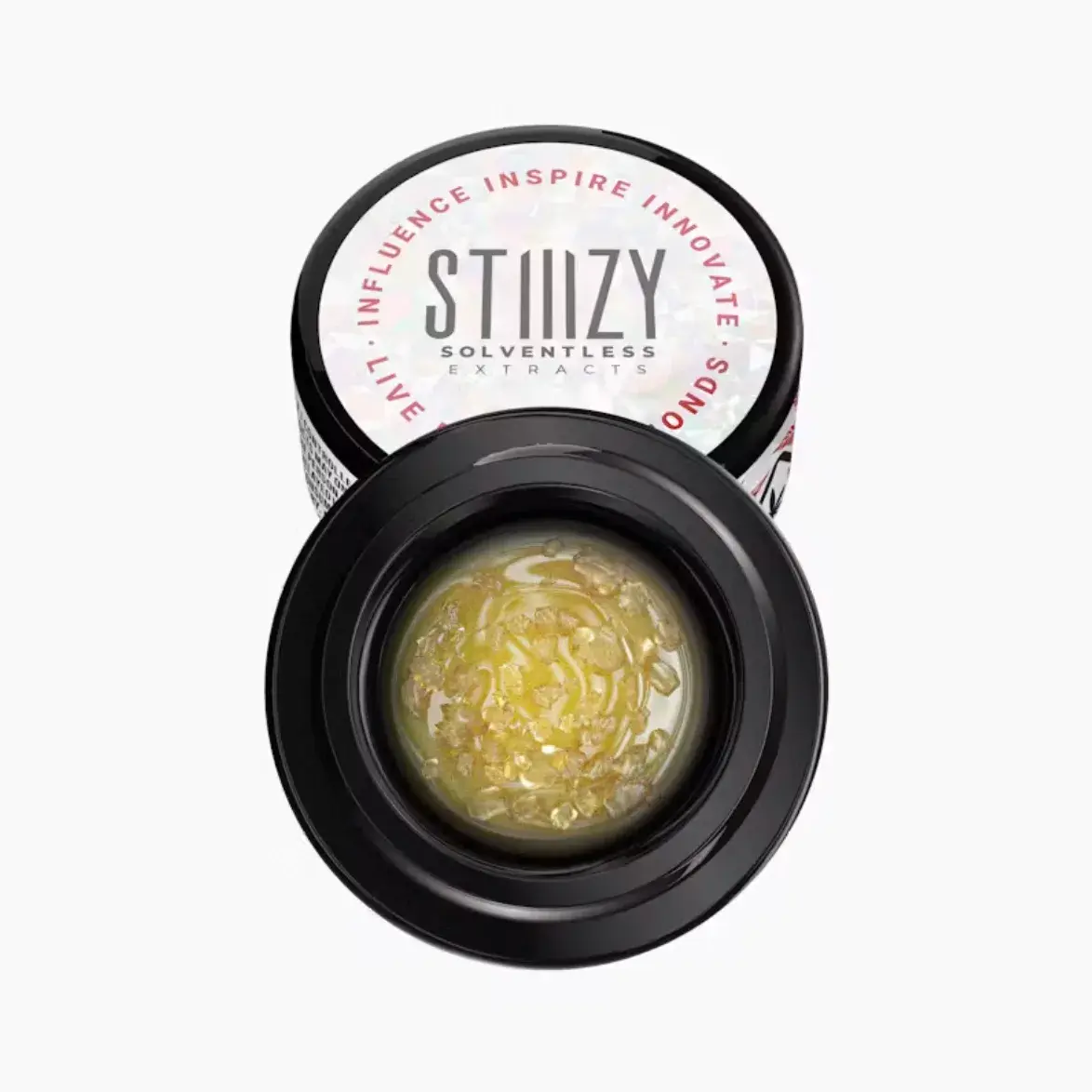
- Diamonds: hard, clear crystals, mostly THCA (the form THC takes in the raw plant), usually sold sitting in a runny, aromatic liquid called sauce.
- Shatter: thin, glassy sheets that snap. Wax and crumble are its softer, drier cousins.
The same word, two different products
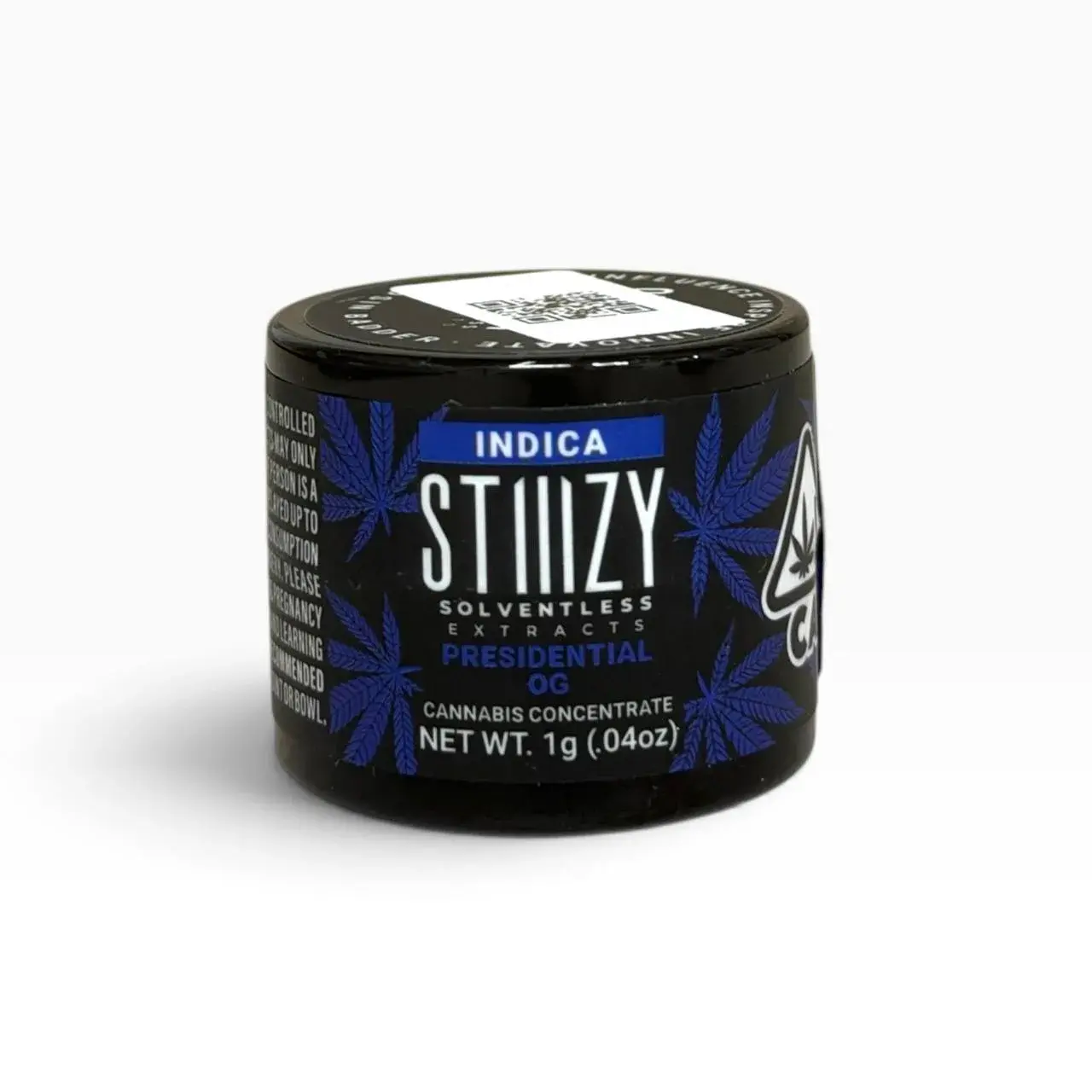
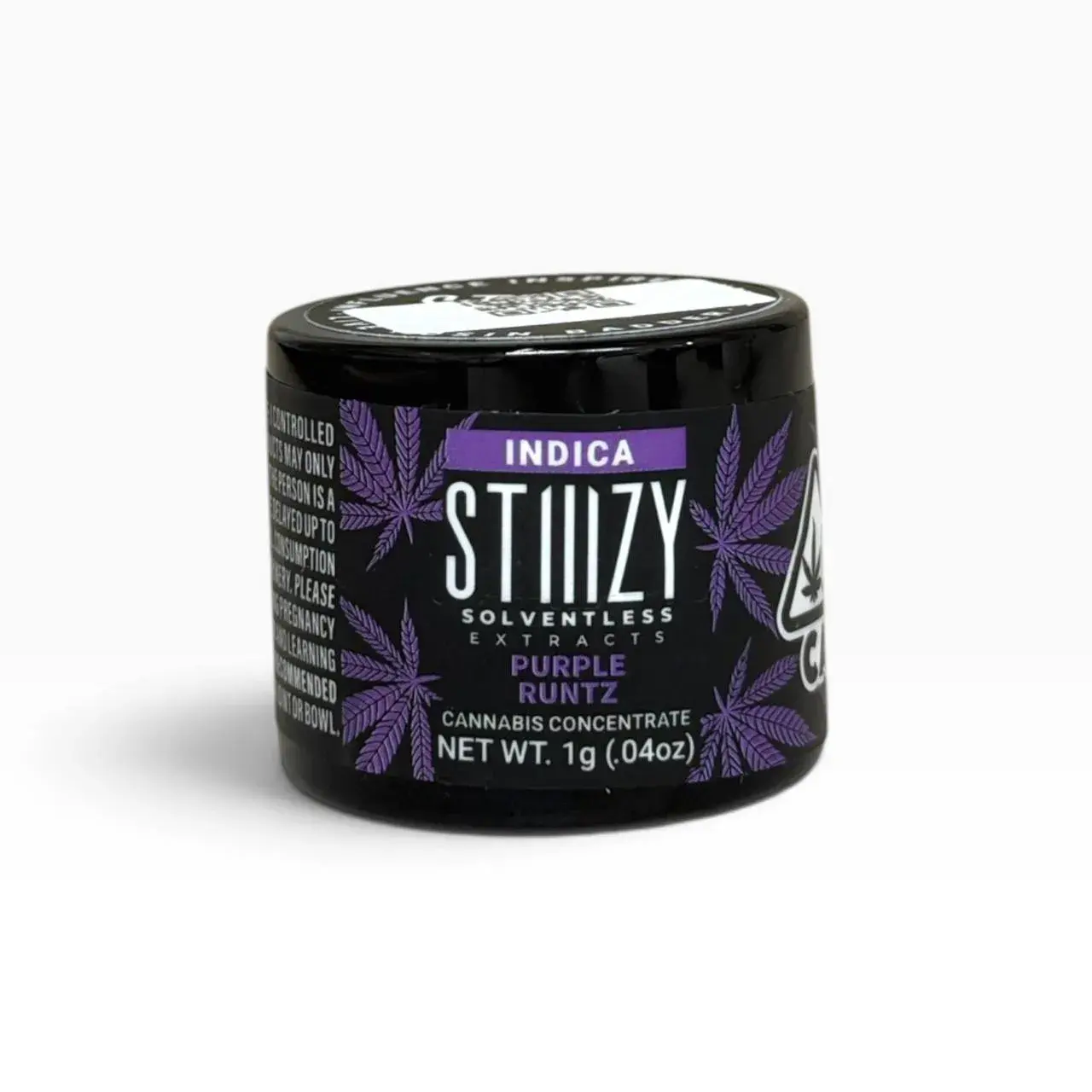
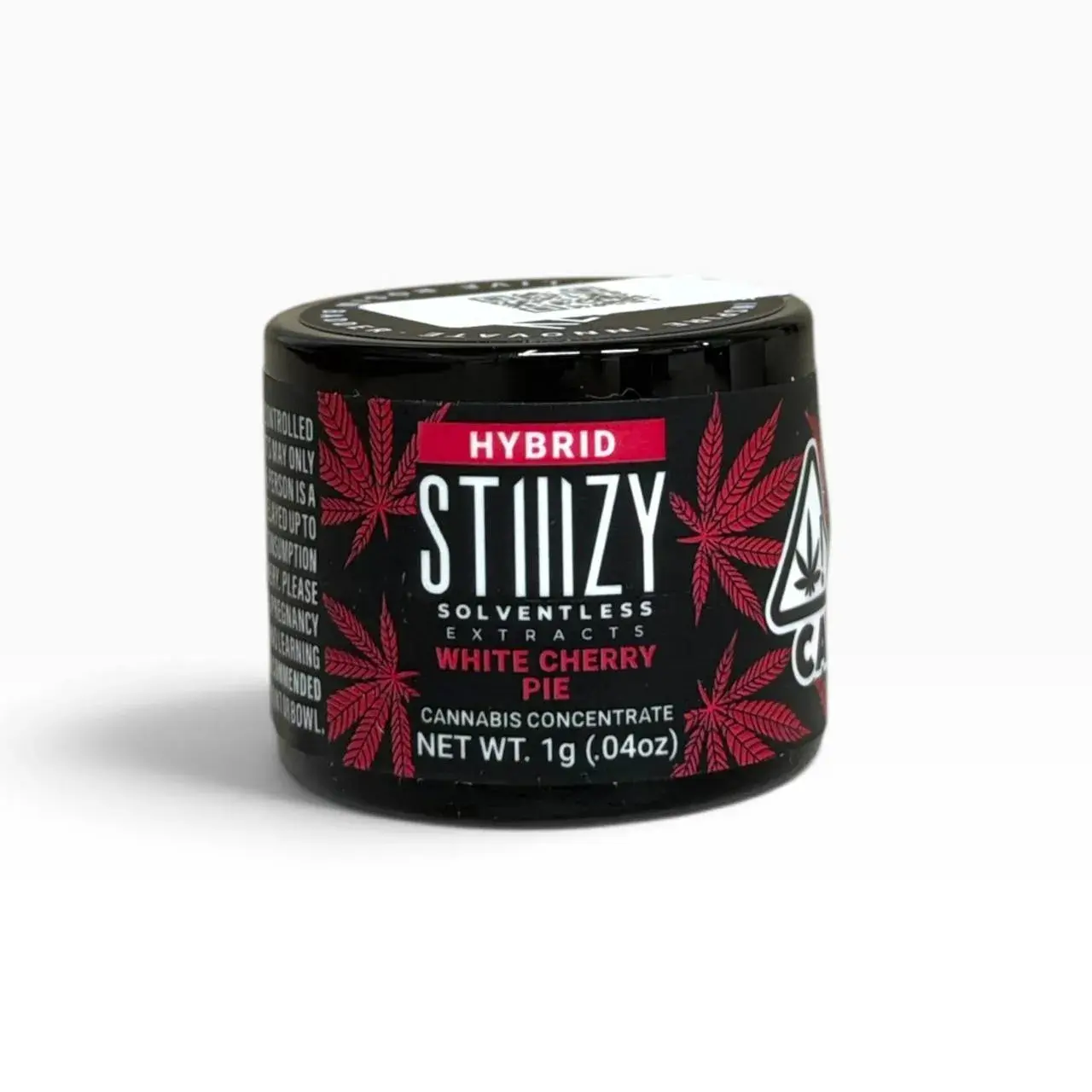
Our menu in October 2026 showed why you read both halves. Stiiizy's Appleberry Kush badder was live rosin: its description says it's "made through a solventless process using ice and water to separate trichomes," kept cold through extraction and sifting. West Coast Cure's Lemon Cherry Gelato badder was live resin. Both are called badder, because badder is a texture. The difference sits in the other half of the name, or in the description.
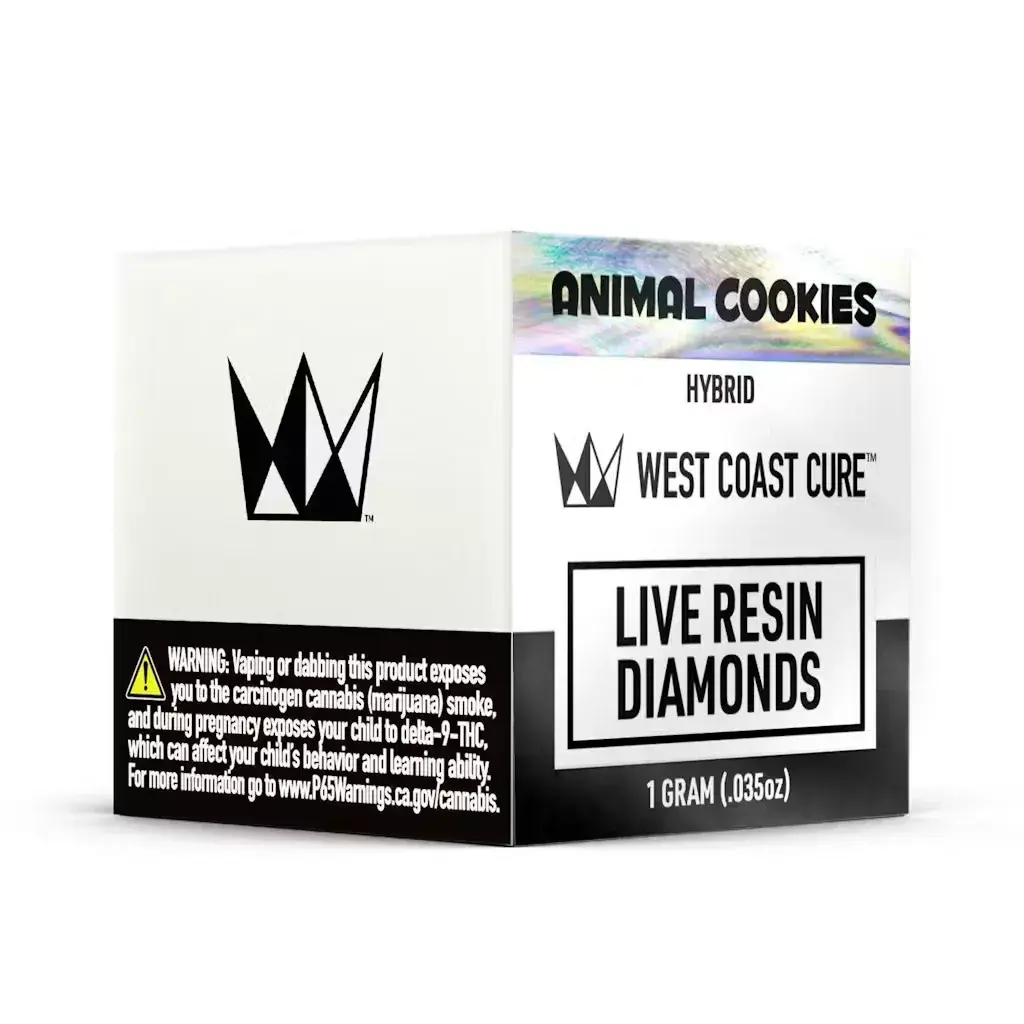
The same goes for diamonds. Stiiizy's Grape Gelato diamonds were described as "diamond crystals suspended in a live resin sauce," and West Coast Cure's Animal Cookies diamonds as "THC-A diamonds and sauce."
Neither live nor solventless is a safety grade. Licensed products go through the same state testing whichever way they were made. The choice between them comes down to taste, aroma and price, and some people care about it far more than others.
Why the THC number runs so high, and what it doesn't tell you
Diamonds sit at the top of the range because they're nearly all THCA. THCA isn't intoxicating until heat turns it into THC, and the label accounts for that. California labs report total THC with a set formula, the acid form multiplied by 0.877 plus the THC already present (4 CCR § 15724). The 0.877 accounts for the weight THCA loses as it converts. So the percentage on a menu describes the THC the product can yield once heated, not the THC it holds in the jar.
A higher number means more THC by weight, not a better concentrate, and it doesn't predict how a session goes. People respond differently, and tolerance, how much you take and the device all change the result. On the package, a concentrate is a manufactured product, so the label gives THC in milligrams per package, while menus, ours included, usually quote a percentage; THC vs CBD explains both units.
How concentrates are used
Concentrates are made to be heated and inhaled, not eaten. The usual way is dabbing: a small amount touched to a heated surface, either a dab rig (a water pipe with a nail or banger heated by a torch) or an electronic rig that holds its own temperature. Some people add a little to a bowl or a joint instead.
We don't sell rigs, so a concentrate from our menu needs gear you already own.
Why concentrates aren't a first purchase
Three reasons, none of them about quality:
- Density. A tiny amount carries a lot of THC, and the margin between "a little" and "too much" is small.
- Gear and technique. Dabbing takes equipment and practice that flower, pre-rolls and gummies don't.
- No easy portion. A gummy has milligrams printed per piece; a jar of badder has a total and nothing to divide it by.
If you're new, the beginner's guide to cannabis products covers better first picks, and for edibles the edibles dosage chart is the place to start.
Concentrate inside other products
You can meet concentrate without buying a jar of it:
- Vape cartridges hold concentrate oil, often distillate or live resin. How to choose a vape cartridge covers the hardware, or browse vapes and carts.
- Infused pre-rolls are flower with concentrate added, such as diamonds, live resin or kief. The pre-rolls vs flower guide explains how to spot one, and a hash hole, a joint with a core of hash, is covered in pre-roll types.
- Infused flower is loose bud coated with concentrate, like West Coast Cure's diamond-infused flower.
- Hash gummies are edibles made with ice water hash, such as West Coast Cure's hash gummies. They're still dosed and eaten like any gummy.
Common questions
What's the difference between live resin and live rosin? Both start from fresh-frozen plants. Live resin is extracted with a solvent; live rosin is made without one, usually by pressing ice water hash with heat. The texture name, like badder or sugar, can be the same for both.
Are THC diamonds pure THC? No. They're crystals of THCA, the raw form of THC, usually sold in a terpene-rich sauce. The percentage on the listing is the producer's lab figure for total THC after conversion, which is why diamonds tend to show the highest numbers on a menu.
Is solventless safer than solvent-extracted? Licensed concentrates of both kinds go through the same state testing before sale. Solventless is a production method and a matter of preference, not a safety rating.
Can you eat a concentrate? They aren't made or labeled for that. Products meant to be eaten are sold as edibles, dosed in milligrams per piece.
Do concentrates count toward the possession limit? Yes, separately from flower. An adult 21 or older may have up to 8 grams of concentrated cannabis, and a retailer's 8-gram daily limit includes the concentrate inside products like vape cartridges.
The short version
Read a concentrate name in two halves. Live resin, live rosin, solventless and distillate tell you how it was made and from what. Badder, sugar, diamonds and shatter tell you what it looks like. Concentrates run several times stronger than flower by weight, need their own gear and count against a separate 8-gram limit. That makes them a product for people with experience, not a place to start.
Everything we sell is for adults 21 and over, with ID checked at the car. For the rest of the buying process, see the guide to buying cannabis in Los Angeles.
State rules cited here were verified on October 28, 2026, against the Department of Cannabis Control's manufacturing license types, California Code of Regulations, title 4, §§ 15409, 15724 and 17006, and Health and Safety Code § 11362.1. Product descriptions quoted are the producers' own, as listed on our menu on the same date. Rules change; check cannabis.ca.gov for the current text. This guide is general information, not legal or medical advice.