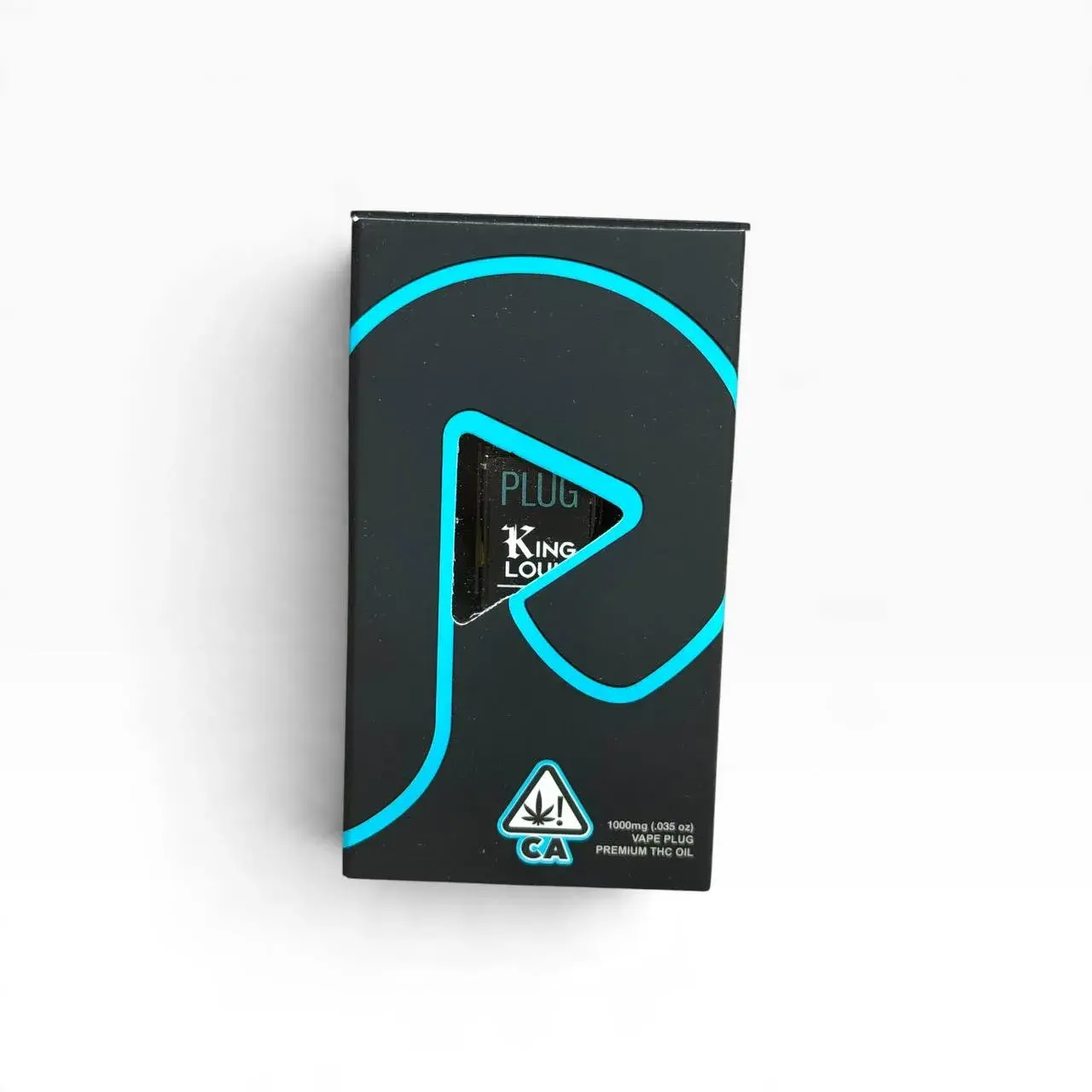
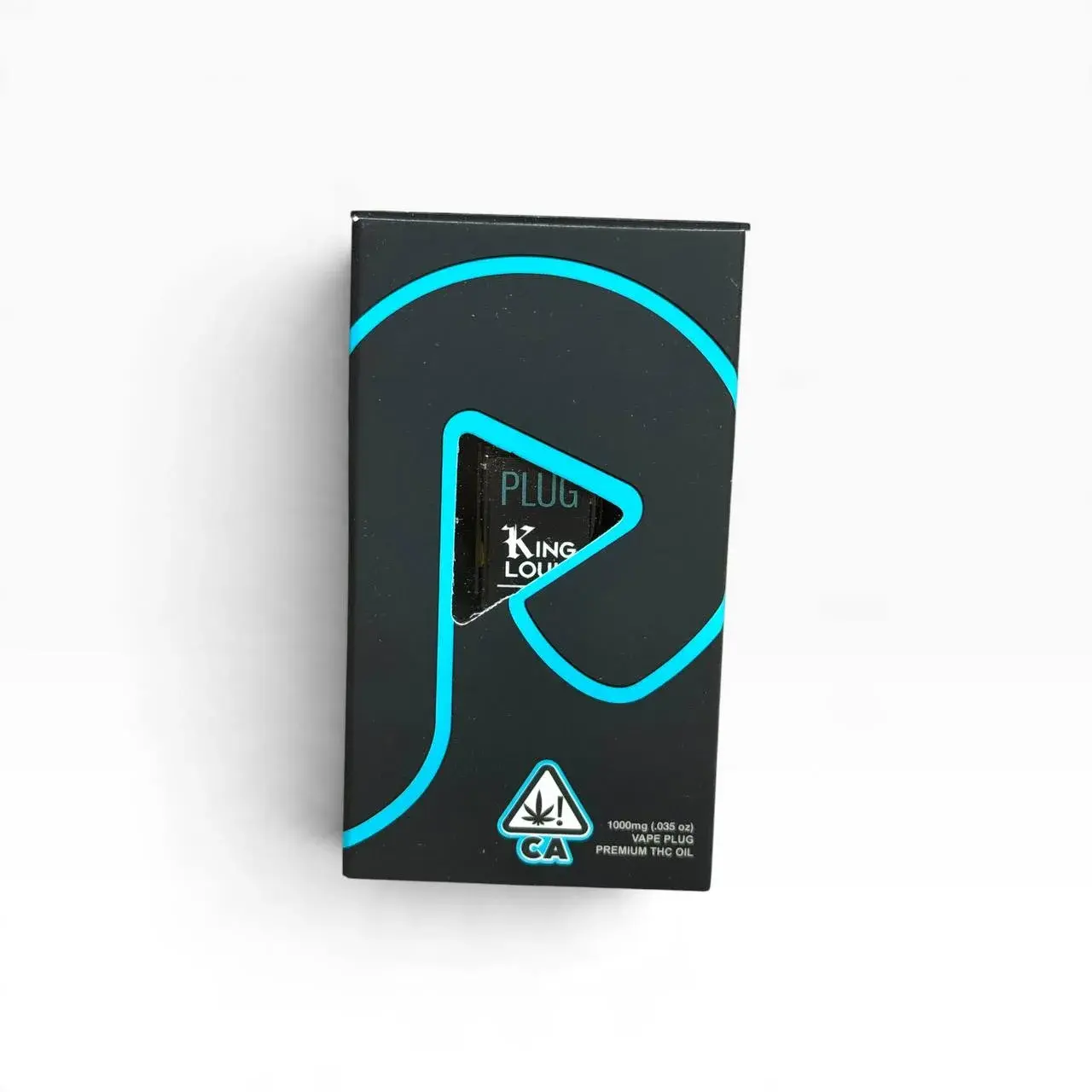
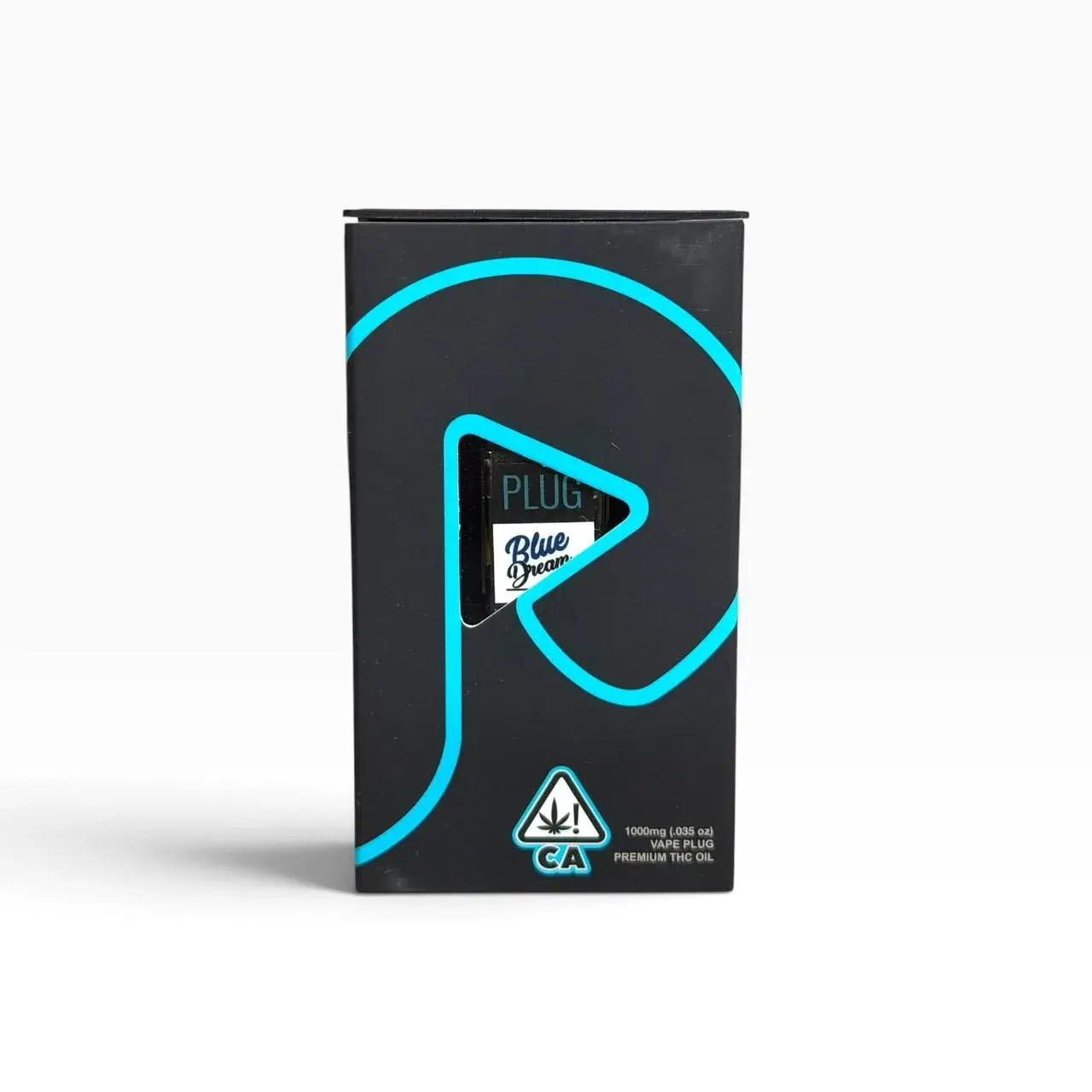
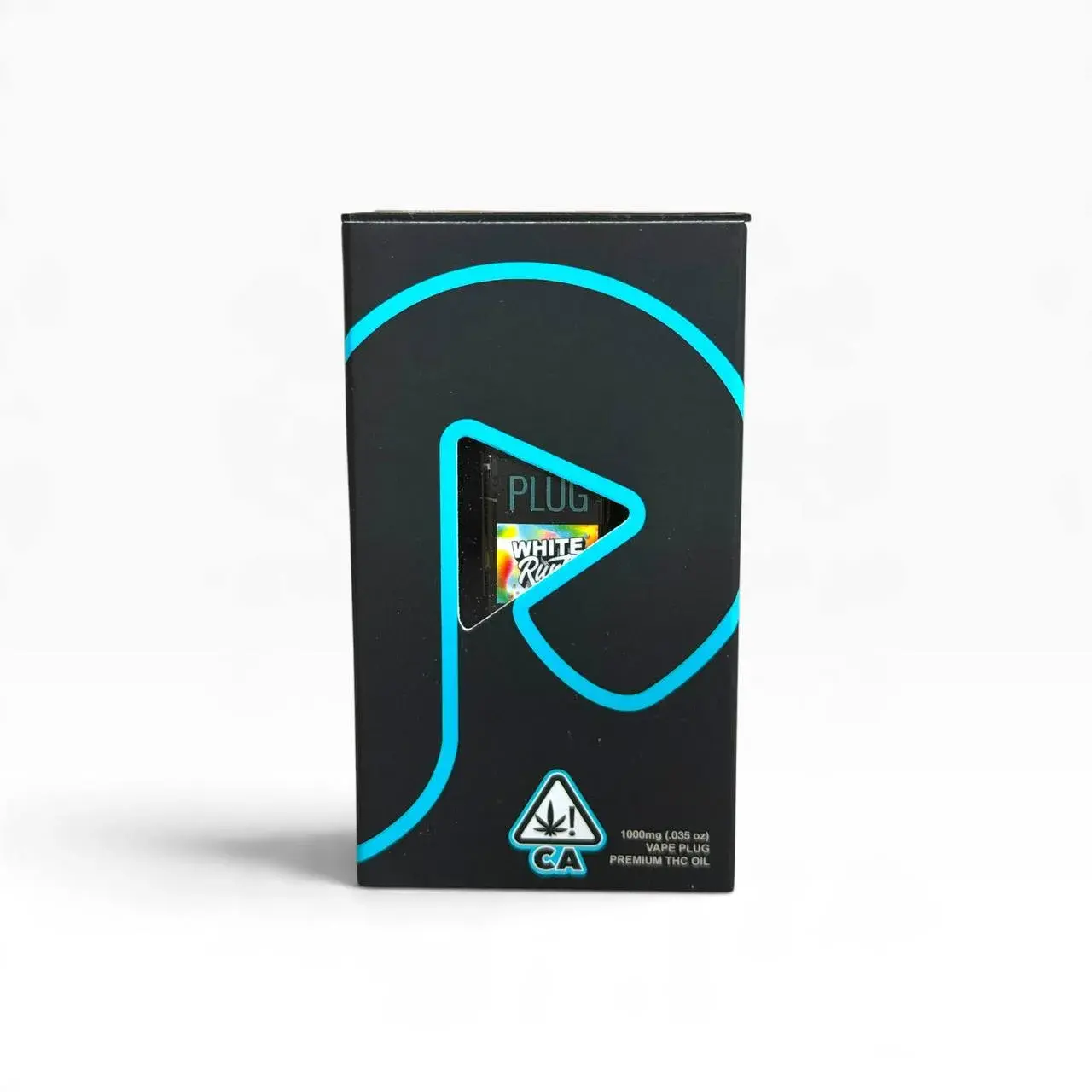
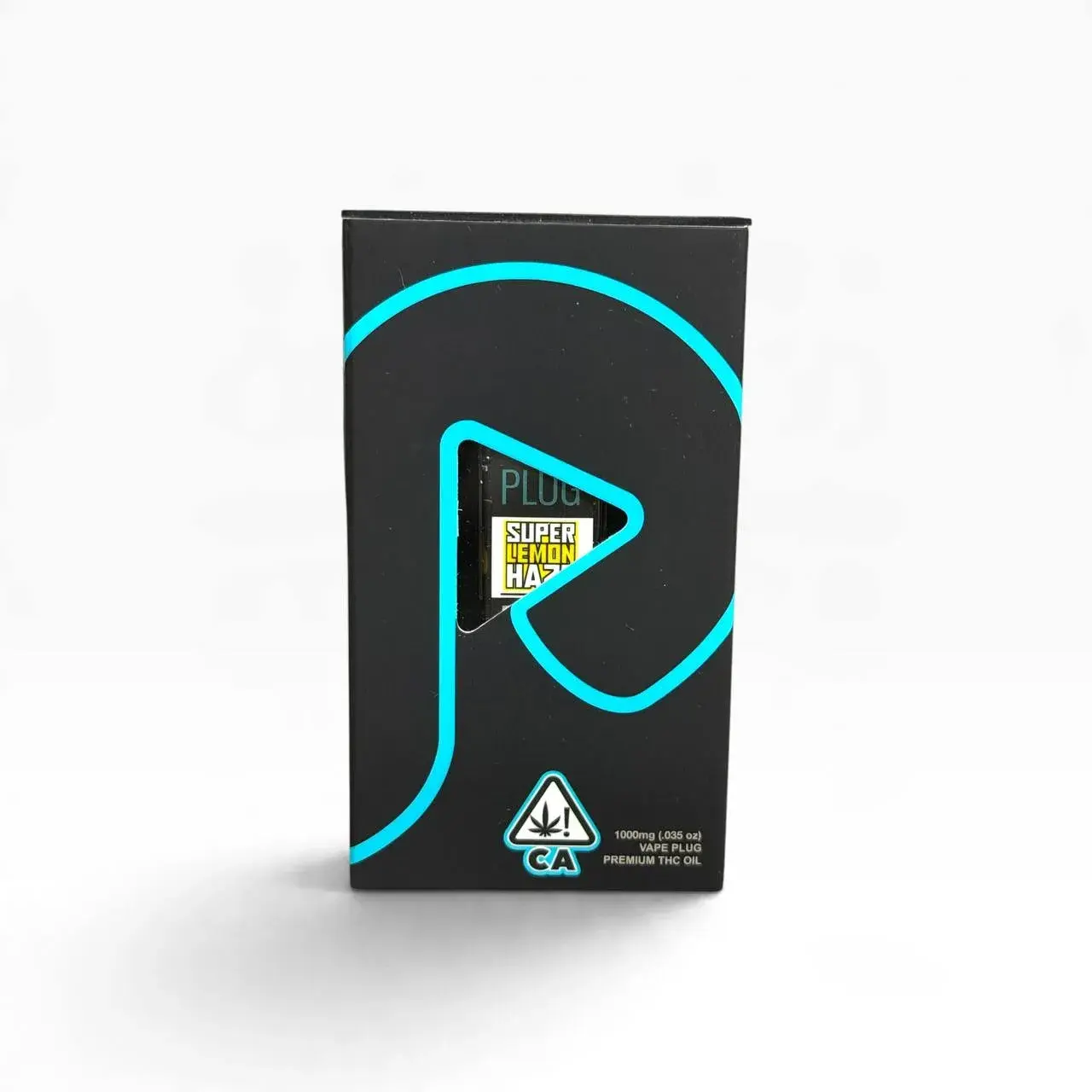
A fake vape cart is a cartridge filled outside the licensed market and dressed up as a known brand. You usually can't tell by looking at it, and that's the uncomfortable part: the empty hardware and the printed boxes are made and sold separately from the oil, so a counterfeit can sit in packaging that is a perfect copy of the real thing.
The short answer. Don't try to judge the oil. Check three things instead: where the cart came from, whether the label carries the details every legal California cart must have, and whether those details match anything in the state's records. A cart bought from a licensed retailer has passed state lab testing and can be traced back to its batch. A cart from anywhere else hasn't, whatever the box says.
Why fakes look so convincing
Cartridges, batteries and boxes are generic products. Factories sell empty carts in bulk, and printers sell packaging with popular brand names and logos on it. California vape brands have complained publicly about overseas manufacturers copying their name and logo, with the empties then filled with untested oil and sold at a discount.
So the box proves nothing on its own. A crisp print, a hologram sticker or a "lab tested" badge can all be bought. What a counterfeiter can't easily fake is a record in the state's systems, and that's where the useful checks are.
What a legal California cart has on its label
California regulations list what has to be on the package of a manufactured cannabis product such as a vape cartridge (4 CCR § 17406 and DCC's labeling checklist). The ones worth checking:
- The UID. A unique tracking number issued through the state's track-and-trace system. Every licensed product has one.
- A batch or lot number. It ties the cart to a specific production run and its lab test.
- The manufacturer's name and a phone number or website.
- The date it was packaged for retail sale.
- The California cannabis symbol on the front of the package, and a smaller version on the cart or device itself.
- THC and CBD content in milligrams, as measured by the lab.
- The government warning, in bold capitals, starting "GOVERNMENT WARNING: THIS PRODUCT CONTAINS CANNABIS, A SCHEDULE I CONTROLLED SUBSTANCE."
The UID, the batch number and the manufacturer's name must be printed on the label itself; the rules don't allow them to live only behind a QR code or on a website. A cart with no UID or no batch number didn't come through the licensed market. A complete label doesn't prove the opposite, since a label can be copied too, but a missing one is a clear no.
Red flags that actually mean something
The seller isn't licensed. This one outweighs everything else on the list. In California, THC carts are legally sold only by licensed retailers. The Department of Cannabis Control (DCC) warns that "some stores that look legitimate are not actually licensed" and may sell untested products. A smoke shop, a pop-up, a social media account or a friend of a friend is not a licensed retailer.
The price is far below the menus. Licensed carts carry the cost of testing, tracking and state taxes. A "1g" cart at a fraction of what licensed menus charge is cheap for a reason.
The label has gaps or mistakes. No UID, no batch number, a misspelled brand or strain name, a warning that doesn't match the wording above.
A flavor the brand doesn't make. Counterfeit packaging is often printed in flavors that never existed in the real lineup. If you can't find the flavor on the brand's own site, be suspicious.
A QR code that leads off the brand's site. Some brands put a QR code on the box that opens a lab report. That's useful only if it opens on the brand's own domain or the testing lab's. A QR code that lands on a generic page, or on a report with no batch number matching your box, is decoration.
Tests that don't tell you anything
You'll find advice online about flipping the cart to watch the bubble, checking how thick the oil is, or judging by color and taste. None of these separate a real cart from a fake. Oil thickness depends on what was mixed in, and additives can make cheap oil look and move like the real thing.
That's exactly what went wrong in 2019. In the outbreak of lung injuries linked to vaping (EVALI), CDC found that THC carts, "particularly from informal sources like friends, family, or in-person or online dealers", were behind most cases, and it identified an additive, vitamin E acetate, in lung fluid samples from 48 of 51 patients it tested. In California, the state's Cannabis Advisory Committee reported that of all the patients interviewed by the state health department, only one said they'd bought vaping products from the licensed market. Where a cart came from mattered more than how it looked.
What lab testing covers on a legal cart
Before a licensed product can be sold in California, a state-licensed lab tests a sample of its batch for cannabinoids, foreign material, heavy metals, microbial impurities, mycotoxins, moisture, residual pesticides, and residual solvents and processing chemicals (4 CCR § 15714). The results go on a certificate of analysis, and that's where the THC number on the label comes from.
Testing doesn't make a product perfect, and the system shows it openly: DCC publishes recalls of licensed products, vape carts among them, and identifies each recalled product by its UID and batch number. That's the other reason those two numbers matter. They let you find out whether your cart was part of a recall, which no unlicensed cart can offer.
How to check a cart you already have
- Find the UID and batch number on the box or label. If they're missing, stop there.
- Search the DCC recall list for the brand, and compare the batch numbers and UIDs in any notice with yours. If they match, the notice tells you what to do with it.
- Look the seller up. DCC's license search shows whether a business holds an active license. Our guide to cannabis laws in Los Angeles explains what to look for.
- If the brand offers a verification code or QR, use it only through the brand's own website.
If you think you've bought from an unlicensed seller, DCC accepts anonymous complaints about any cannabis business, licensed or not, through the same consumer page.
Checking a delivery service
A licensed delivery service can be checked on the spot. Under 4 CCR § 15415, the driver must be employed by the licensed retailer and carry a copy of its license and its DCC QR code certificate, and must show you the license, the QR certificate and their employee badge if you ask. Scanning the QR code shows the license status on DCC's site. A driver who can't produce them when you ask is a reason not to take the order.
We're a licensed delivery-only retailer (DCC license C9-0000716-LIC). Every cart on our vape and cart menu came through licensed distribution, so each one carries a UID and batch number you can check. If you're still choosing between a 510 cart, a pod and an all-in-one, the vape cart buying guide walks through the formats.
Common questions
Can a fake cart come in real packaging? Yes. Branded boxes are sold empty, and some counterfeits use genuine-looking packaging around untested oil. That's why the label details and the seller matter more than the box.
Is a cart from a smoke shop legal? Not unless the shop holds a DCC cannabis retail license, and a typical smoke shop doesn't. In California, THC carts can only be sold by a licensed cannabis business. DCC's license search settles it in a minute.
Does a cheap cart always mean it's fake? No. Licensed retailers run sales too. A modest discount at a licensed store is normal; a cart for a fraction of the licensed price, from a seller with no license, is not.
Does the QR code on the box prove it's real? Only if it opens a lab report on the brand's or lab's own site, for the same batch number that's printed on your box. A QR code is easy to copy.
The short version
You can't spot a well-made fake by looking at it, so don't rely on that. Buy from a licensed retailer you can look up, check that the label has a UID and a batch number, and use those numbers to check recalls. Bubble tests, oil color and taste don't tell you where a cart came from.
Verified on October 28, 2026, against the California Code of Regulations (title 4, §§ 15415, 15714 and 17406), the Department of Cannabis Control and the CDC's archived EVALI page. Rules change; check cannabis.ca.gov for the current version. This guide is general information, not legal or medical advice.